Winter in the Nature Garden
Many people think winter is a quiet time. They picture bare branches, empty flowerbeds and cold, dark, wet days where the daylight disappears almost as soon as it arrives. But in our school’s wildlife garden, winter is anything but dull!
There is always lots to do, and our Gardening Club members—led by our brilliant volunteers, Emily and Natalie—work hard every Friday lunchtime. This half‑term, children from 3G, 4J, 5J and 6J have been our eco‑champions, keeping the garden healthy and ready for spring.
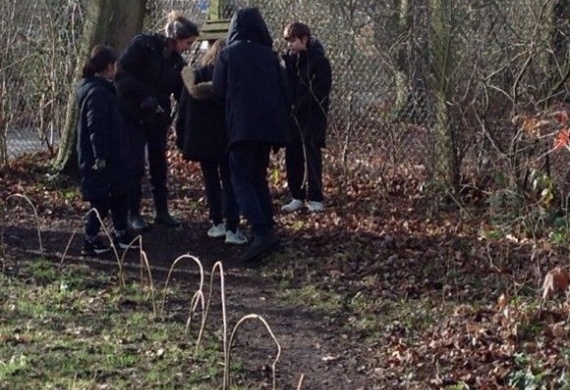
So far, we have cleaned out the bird feeders (very important for stopping our birds from getting sick), scrubbed the mosaic leaf table, and laid new fence hoops made from pruned willow branches. These hoops help protect the wildflower meadow from being stepped on by curious feet! Every week we also refill the bird feeders so small birds—like Robins, Blue Tits, Great Tits, Blackbirds and Chaffinches—have enough food to survive the coldest days.
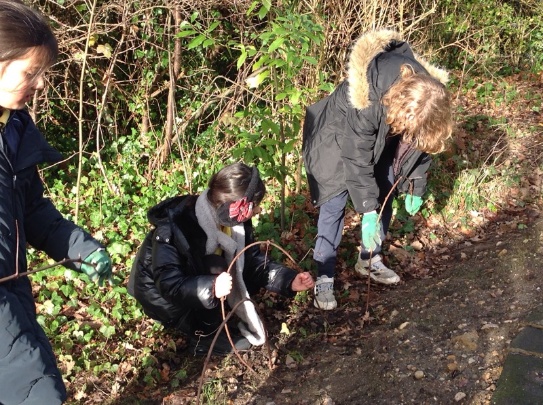 Laying fence hoops to protect the more delicate areas.
When we’re not cleaning and fixing things, we love searching for signs of the animals that call our garden home.
Who might be sleeping inside a bamboo cane?
Who did we spot curled up behind the log pile at the start of one session? (Hint: she had a long, orange, fluffy tail with a white tip!)
And who nibbled an acorn on the mosaic table, leaving only the empty shell behind?
Our garden is full of different habitats: logs for animals to shelter under, thick plants for insects to hide in over winter, and maybe even a hedgehog or two! Our wildlife rangers know the importance of “treading lightly” and always leave space for nature by not clearing away all the fallen leaves and twigs.
Even our pond is starting to wake up. After being restored in late autumn and early winter, the plants we moved are now growing new leaves and spreading around the edges.
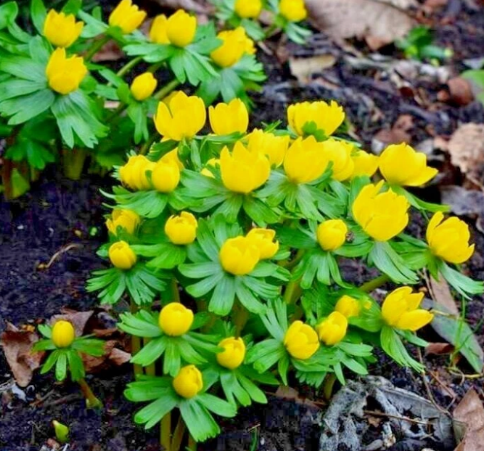
‘Choirboys’ – Winter Aconite – giving a beautiful flash of cheery yellow to brighten up the dull days.
The rest of the garden is also showing signs of life. Bright yellow Winter Aconites—also known as “Choirboys” because of their ruffled green collars—are making a glowing yellow border around the wildflower meadow. Snowdrops have magically appeared and are already in full bloom, even though we didn’t see them the week before! Hellebores are flowering beautifully, and the Primroses have pushed up their wrinkled green leaves and will soon be in bloom too.
Every week brings something new to discover, and our enthusiastic gardeners make the most of every minute outside. All classes get to experience the garden across different seasons, with two half‑term slots each year to enjoy it and help look after this very special place. The J classes and 3G will return in the second half of the summer term, when the garden will look completely different!
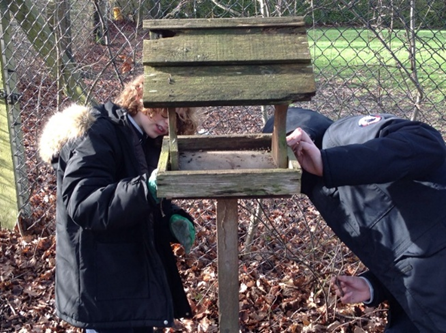
Cleaning the bird table – an essential job.